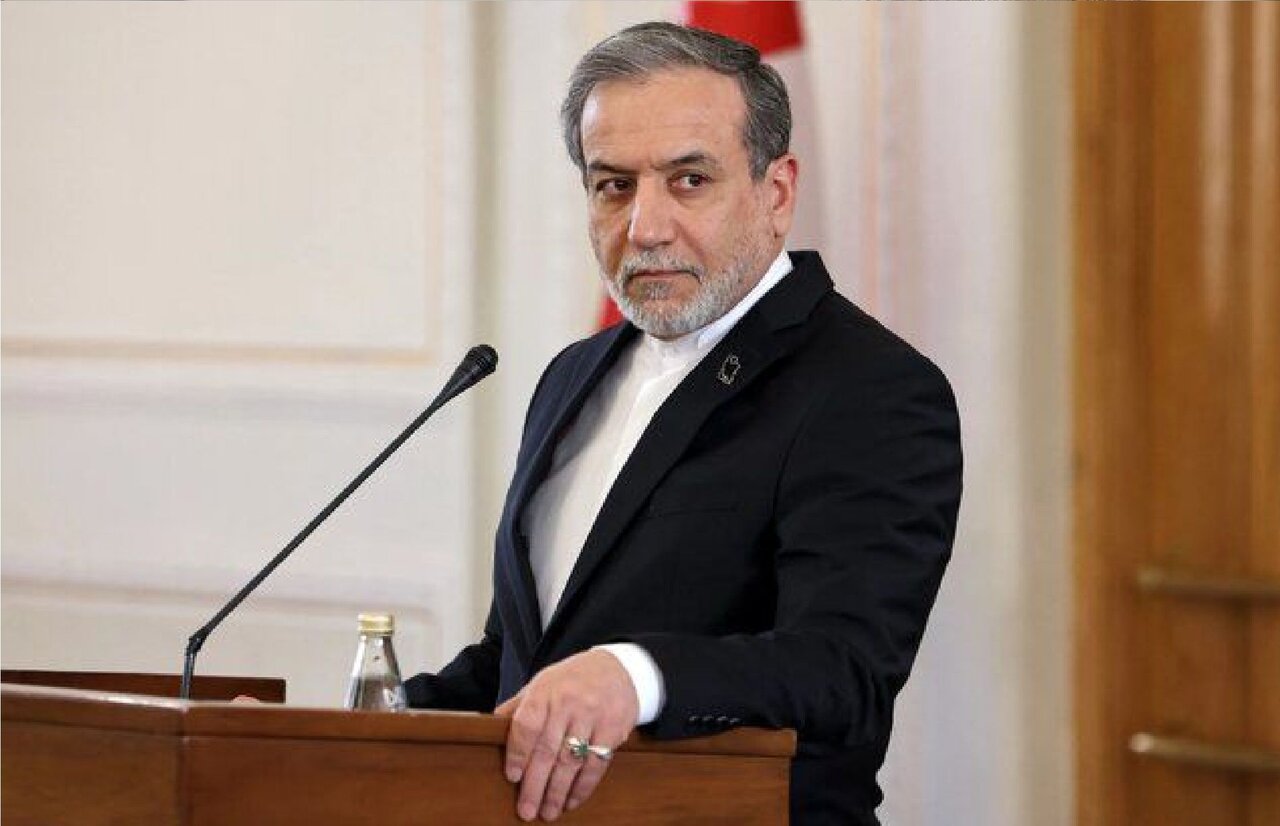
Arya News Agency -Iranian Foreign Minister Seyyed Abbas Araghchi has issued a stern warning to European countries regarding the potential activation of the snapback mechanism under the 2015 nuclear deal. He emphasized that any hostile action—such as triggering snapback sanctions—would directly impact Iran’s cooperation with the International Atomic Energy Agency (IAEA), rendering even the newly negotiated framework insufficient.
Speaking about the recent Cairo agreement, Araghchi noted that the Islamic Republic of Iran, as a signatory to the Nuclear Non-Proliferation Treaty (NPT) and a country with a safeguards agreement with the IAEA, has maintained cooperation with the agency in line with national interests and to demonstrate the peaceful nature of its nuclear program.
He explained that following recent military attacks, it was no longer feasible to continue cooperation under previous arrangements. The situation on the ground had changed—facilities were bombed, and new legislation passed by Iran’s parliament had come into effect. As a result, Iran entered negotiations with the IAEA to establish a new framework for cooperation.
Araghchi stressed that the entire negotiation and agreement with the IAEA was shaped by Iran’s evolving security concerns and the need to adapt to new realities. He reiterated that European parties have been warned: if they proceed with activating the snapback mechanism, it will severely affect Iran’s engagement with the IAEA, and the newly established framework will no longer be viable.
This warning comes amid growing tensions between Iran and the European signatories of the nuclear deal—France, Germany, and the UK—who have recently signaled intentions to reimpose UN sanctions through the snapback clause. Iran has called such moves provocative and unjustified, and has hinted at broader retaliatory measures, including reconsidering its commitments under the NPT