Arya News - A webinar on methanol poisoning involving experts from the WHO and other health professionals last week has pointed to an urgency for emergency planning to reduce illness and related risks in Indonesia, including ensuring the availability of antidotes.
JAKARTA – Indonesia has reported the highest number of methanol poisoning cases globally, prompting calls for stronger emergency preparedness plans to mitigate the risks of methanol exposure.
Over the past two decades, Indonesia and 12 other countries and areas in the Western Pacific as defined by the World Health Organization have reported outbreaks of mass methanol poisoning.
The region covers a total of 38 states and territories across Asia and the Pacific, according to the United Nations health agency.
Although the number of incidents and fatalities in the region has been on a decline since peaking in 2018, a robust emergency response plan is deemed critical because methanol poisoning is a preventable cause of severe illness and death.
Since 2015, the Western Pacific region has recorded 352 methanol poisoning events that affected 5,167 people and resulted in 1,571 deaths, representing a mortality rate of 30.4 percent.
Indonesia topped the methanol poisoning list with more than 300 reported incidents, resulting in 2,185 people affected and a mortality rate of 50.4 percent, which is very high. Cambodia ranked second, with 1,341 people affected and a mortality rate of 14.2 percent.
Seungyun Kim, technical officer for information and risk assessment with the WHO Health Emergencies Programme (WHE) in the Western Pacific, said Indonesia had the highest methanol poisoning figure in the region as well as globally, largely because it was a Muslim-majority country where alcohol consumption was strictly prohibited.
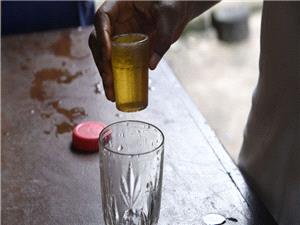
“Commercial alcoholic beverages are also heavily taxed. As a result, people turn to homemade or black market alternatives, which are relatively cheaper,” she told a webinar on Thursday.
Gina Samaan, regional emergency director at the WHO Regional Office for the Western Pacific (WPRO), said methanol toxicity often caused a rapid onset of symptoms and therefore placed significant stress on clinical teams, compounded by delays in recognition, limited access to antidotes and varied clinical protocols.
“So even a single missed case can lead to irreversible harm,” she said.
Suspected cases of methanol poisoning also remain a serious public health concern in the South-East Asia region.
According to a global outbreak database of suspected methanol poisoning incidents maintained by Doctors Without Borders (MSF), 179 such cases have occurred across the region between 2015 and 2025, affecting more than 4,200 people with over 2,500 deaths linked to these outbreaks.
“India typically reports larger and more severe outbreaks with higher numbers of deaths. In 2025, however, Bangladesh reported a greater number of suspected outbreaks than India,” said Yuka Jinnai, a technical officer with WHE for the South-East Asia region.
“Additional recurrent events were observed in Myanmar, Nepal, Sri Lanka and Thailand,” Jinnai added.
During the webinar on Dec. 11, experts presented brewing alcohol at home with incorrect distillation, occupational exposure and misuse or intentional mixing of methanol as known risk factors in the region.
Knut Erik Hovda, a clinical consultant and senior physician from the Department of Acute Medicine at Oslo University Hospital, said methanol was actually not toxic, in the sense that it would not cause immediate intoxication or sickness when ingested.
It was only after methanol was metabolized into formic acid that symptoms of toxicity would manifest, he explained.
The antidote for methanol poisoning is either ethanol or fomepizole, which can prevent toxicity by blocking the conversion of methanol into formic acid.
“We need effective treatment, but the question is whether we have it available where the patients are. This is why we have, together with MSF, started what we call the Fomepizole Access Campaign,” Hovda said.
“Fomepizole is a very effective antidote. And that has been patented for many years. We want to make this available to everyone at an affordable price,” he said.